Pasta Encyclopedia
Explore pasta shapes and discover their perfect sauce pairings.
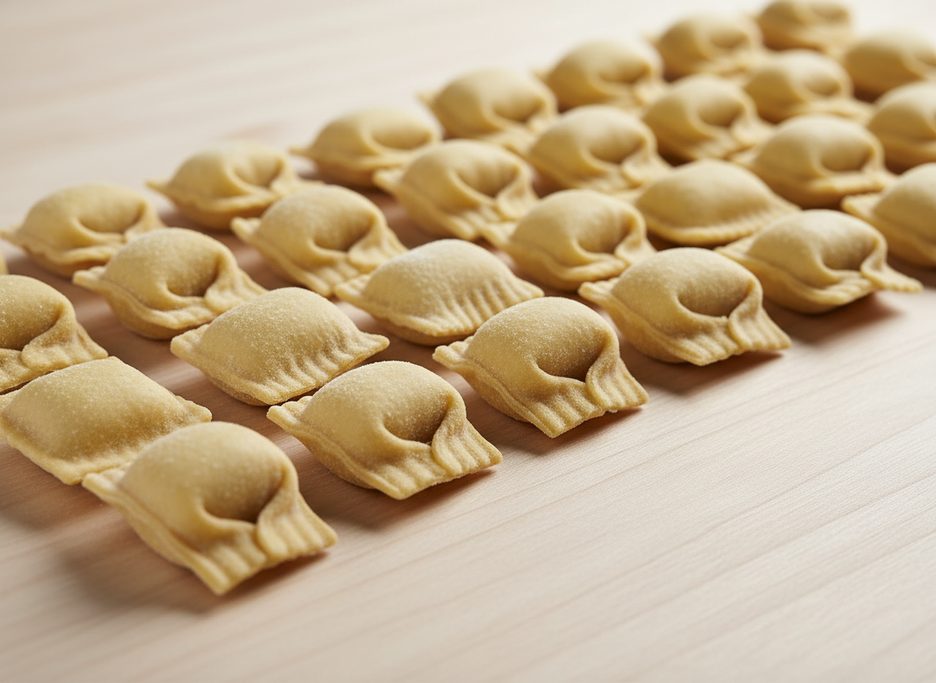
Agnolotti
Originating from the Piedmont region of Italy, Agnolotti are small squares of pasta dough traditionally folded over a roasted meat or vegetable filling. Unlike ravioli, they are typically made from a single piece of flattened dough folded over, creating a distinctive pocket that excels at capturing light sauces. They are most traditionally served in a simple butter and sage sauce or a rich beef broth to highlight the savory interior.
Best Paired With
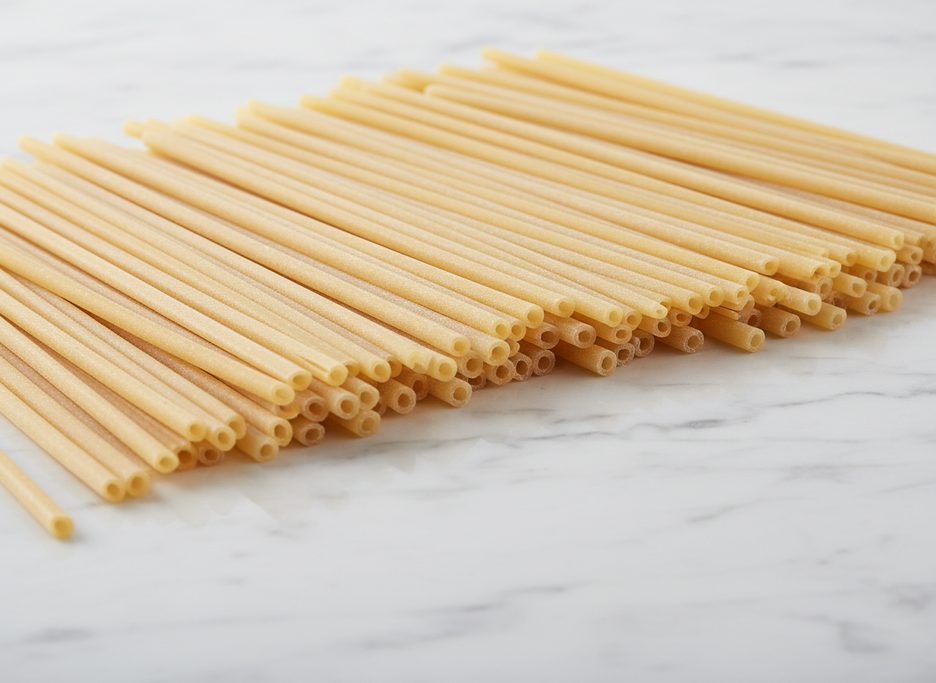
Bucatini
Originating from the Lazio region of Italy, Bucatini is a thick, spaghetti-like pasta characterized by its unique hollow center. This straw-like shape allows savory sauces to flow inside the pasta, creating a more intense flavor profile and a substantial, chewy texture. It is most traditionally served with Amatriciana sauce, where the hollow core perfectly captures the rich tomato and guanciale flavors.
Best Paired With
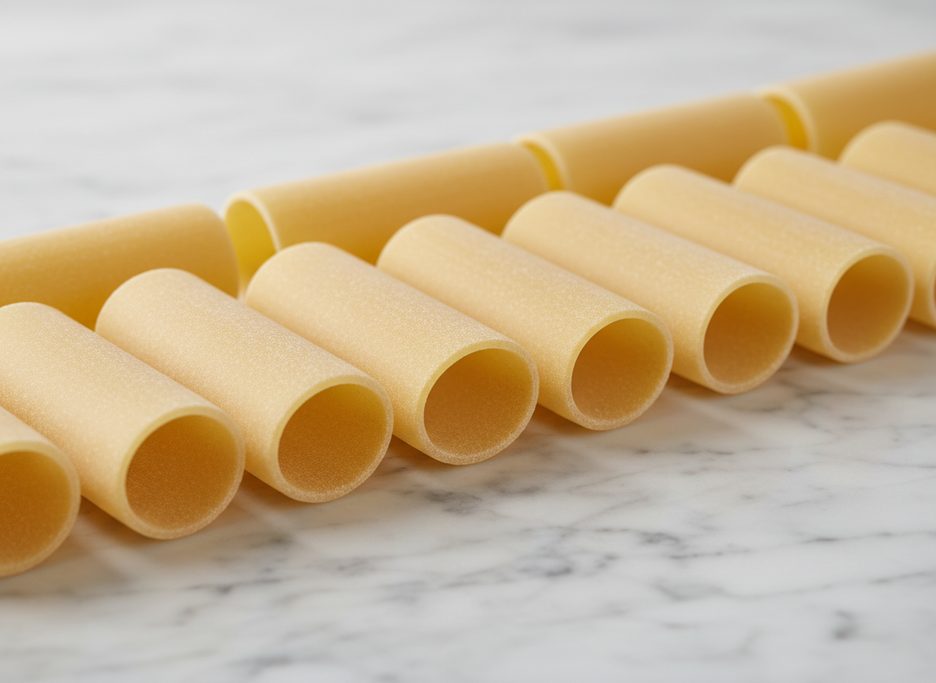
Cannelloni
Cannelloni are large, cylindrical pasta tubes traditionally stuffed with rich fillings like ricotta and spinach or seasoned meat ragu. Originating from Italy, these smooth tubes are typically baked in a dish covered with tomato or béchamel sauce until tender. They are distinctive for their large size and hollow centers, which allow them to act as a perfect vessel for hearty, flavorful ingredients.
Best Paired With
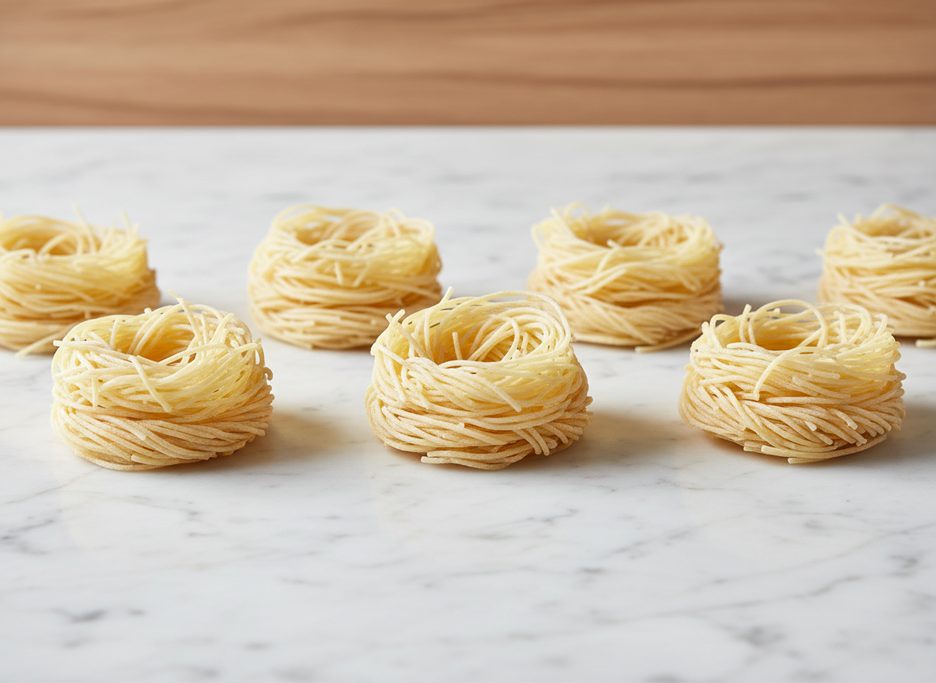
Capelli d'Angelo
Capelli d'Angelo, or 'Angel Hair,' is an extremely thin, delicate long pasta variety that originated in 14th-century Italy. Its fine texture allows it to cook very quickly and makes it ideal for light sauces, such as olive oil, butter, or seafood broths. The pasta is often sold in coiled nests to prevent the fragile strands from breaking during transport.
Best Paired With
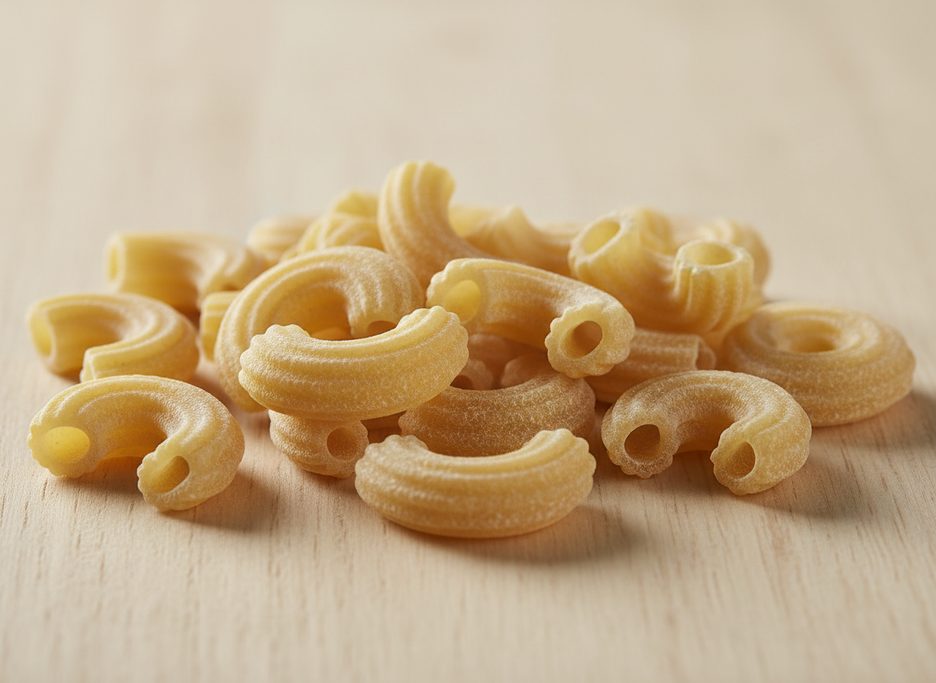
Casarecce
Originating from Sicily, casarecce are short lengths of pasta twisted into an 'S' shape with a central groove that runs down the middle. Their name translates to 'homemade,' and their unique folded structure is designed to perfectly capture chunky sauces, traditional pesto, or hearty meat ragus.
Best Paired With
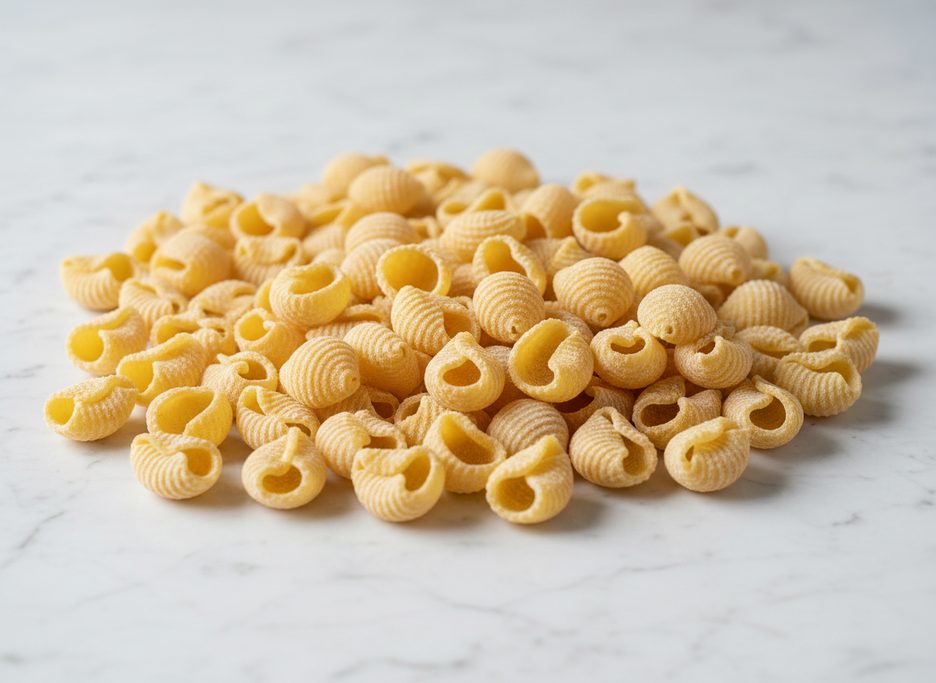
Cavatelli
Originating from Southern Italy, cavatelli are small, shell-like pasta shapes made from semolina dough that feature a distinctive rolled edge and hollow center. Their firm, chewy texture and unique indentation make them perfect for scooping up chunky sauces, particularly when paired with broccoli rabe, sausage, or thick meat ragus.
Best Paired With
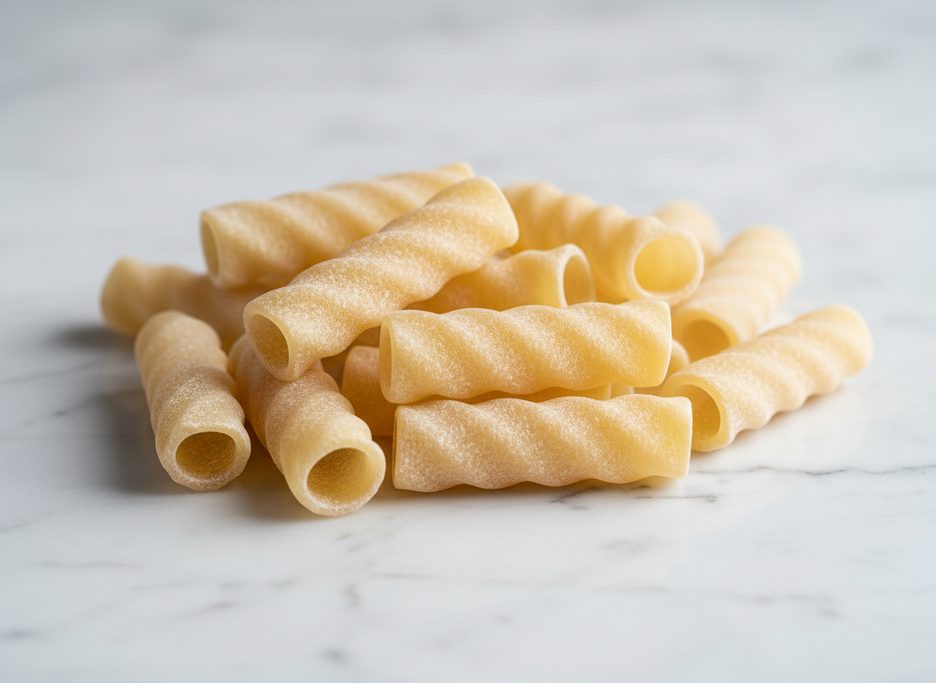
Elicoidali
Elicoidali is a tubular short pasta from Southern Italy, distinguished by its helical or spiral ridges that wrap diagonally around the exterior. While similar to rigatoni, its unique curved grooves are specifically designed to capture thick meat sauces and chunky vegetable ragùs more effectively. Its robust shape and textured surface ensure it holds its form well in both baked dishes and hearty tossed preparations.
Best Paired With
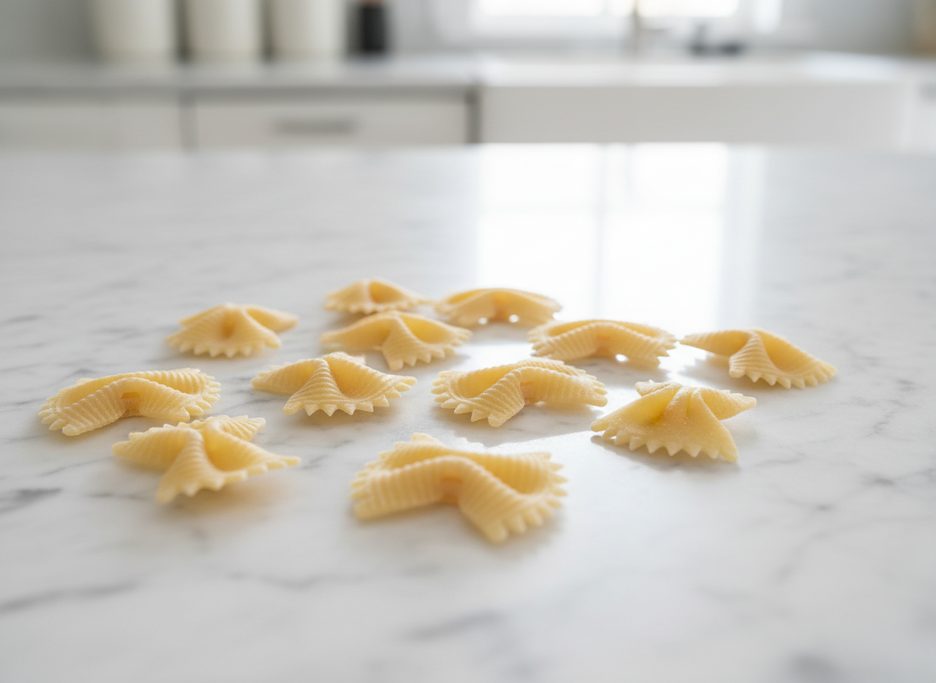
Farfalle
Originating in the 16th century in Northern Italy, Farfalle is commonly known as bow-tie or butterfly pasta due to its unique pinched center and frilled edges. Its thick middle provides a satisfying bite, while the wings are ideal for catching light cream sauces or being tossed in refreshing pasta salads.
Best Paired With
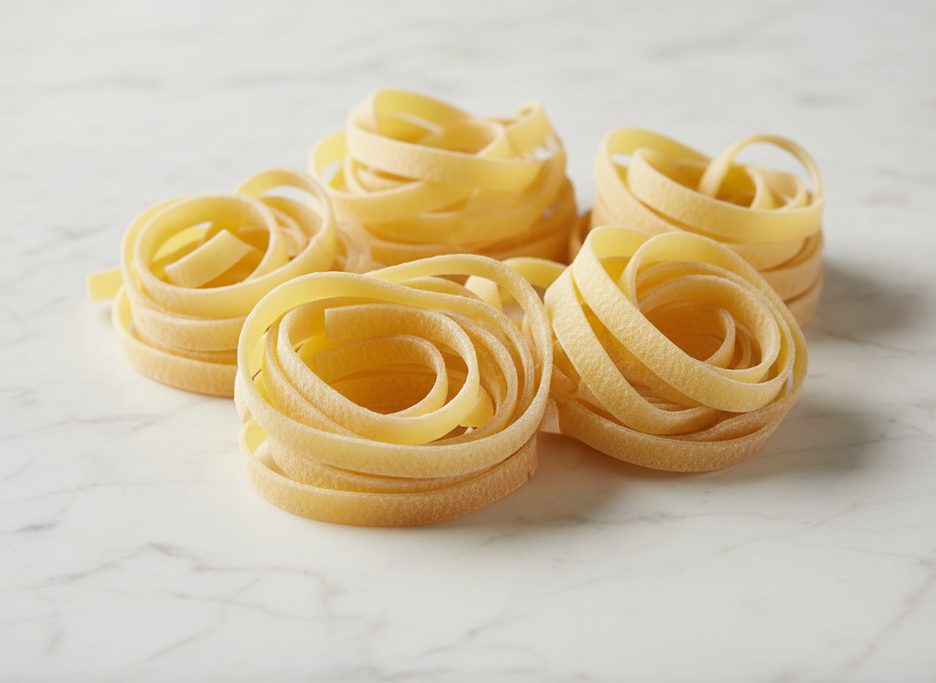
Fettuccine
Fettuccine is a long, flat, ribbon-like pasta traditional to Roman and Tuscan cuisine, typically made from egg and flour. Its name translates to 'little ribbons,' and its broad, thick shape makes it perfect for holding onto rich, creamy sauces like Alfredo or savory meat ragùs. This versatile shape is prized for its substantial texture and ability to deliver a satisfying, hearty bite.
Best Paired With
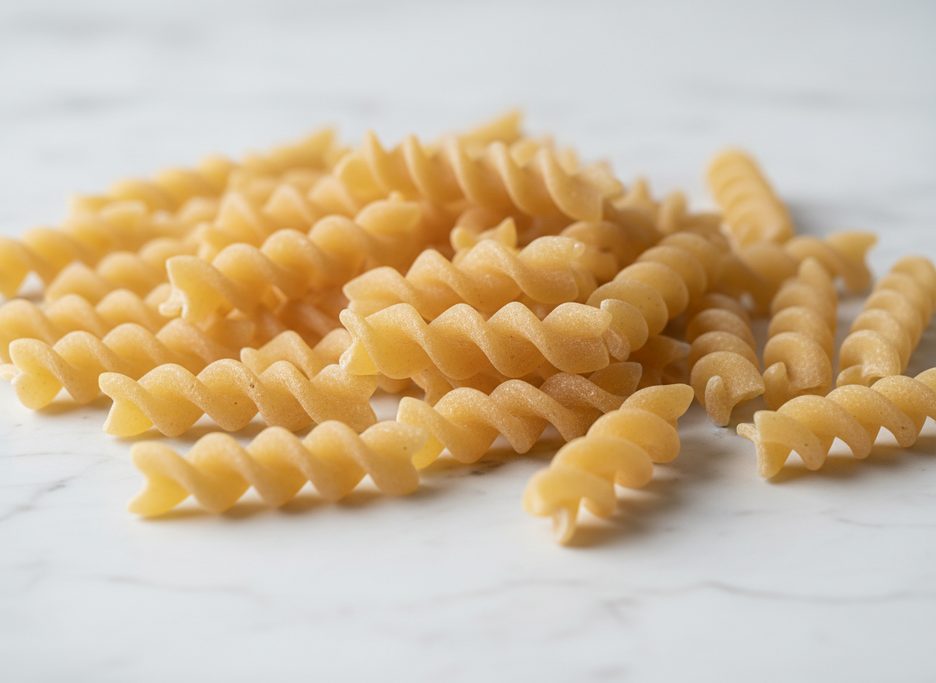
Fusilli
Originating from Southern Italy, fusilli is a corkscrew-shaped pasta traditionally formed by rolling strips of dough over a thin rod to create its signature spiral. This helical design is exceptionally effective at capturing thick, chunky sauces and small ingredients within its deep grooves. It is a versatile choice that performs equally well in hearty meat sauces, creamy textures, and cold pasta salads.
Best Paired With
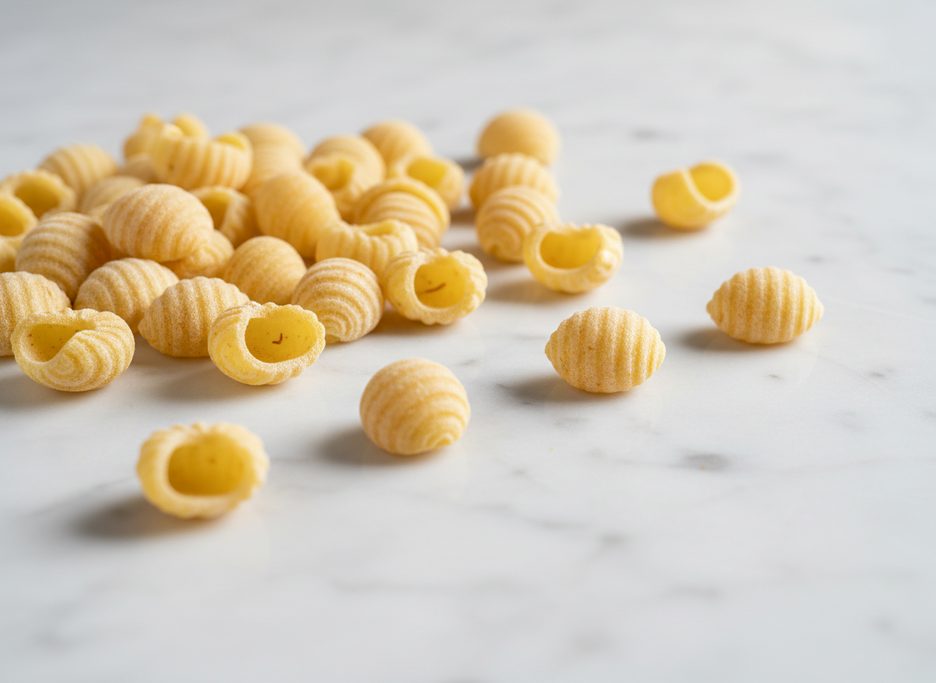
Gnocchetti sardi
Also known as malloreddus, this traditional Sardinian pasta features small, ridged shells made from durum wheat semolina and sometimes a hint of saffron. Their distinctive curved shape and deep exterior grooves are specifically designed to capture thick sauces, particularly the classic sausage-based ragù alla campidanese. They offer a firm, chewy texture that makes them one of the most beloved exports of Sardinian cuisine.
Best Paired With
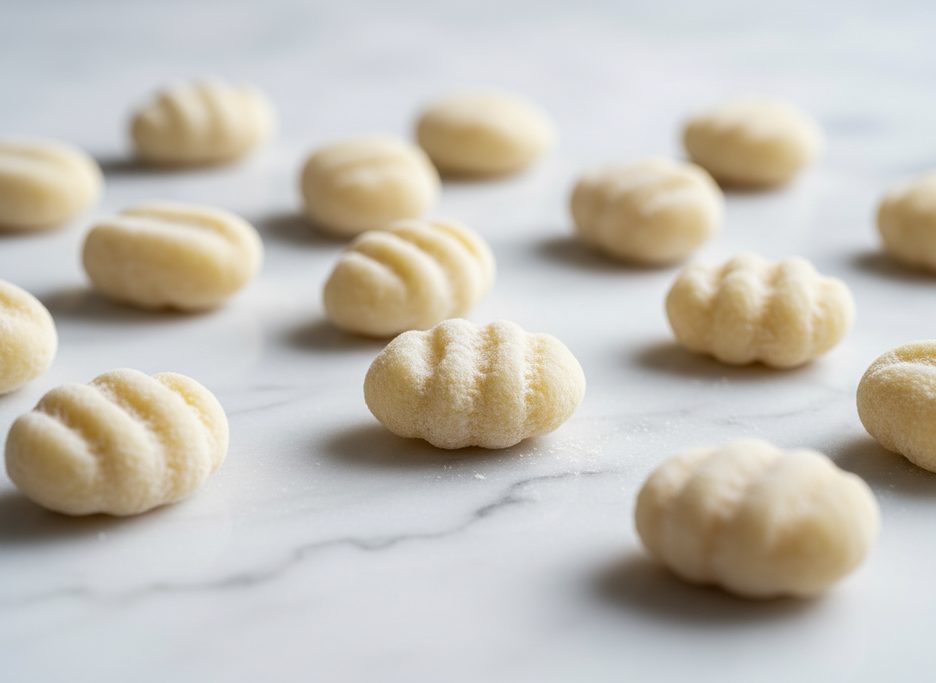
Gnocchi
Originating from Northern Italy, gnocchi are small, pillowy dumplings typically made from a mixture of potatoes, flour, and eggs. These soft dumplings often feature small ridges on their exterior, which are designed to capture and hold onto thick sauces like pesto or browned butter. While technically a dumpling, they are used similarly to short pasta and are beloved for their tender, melt-in-your-mouth texture.
Best Paired With
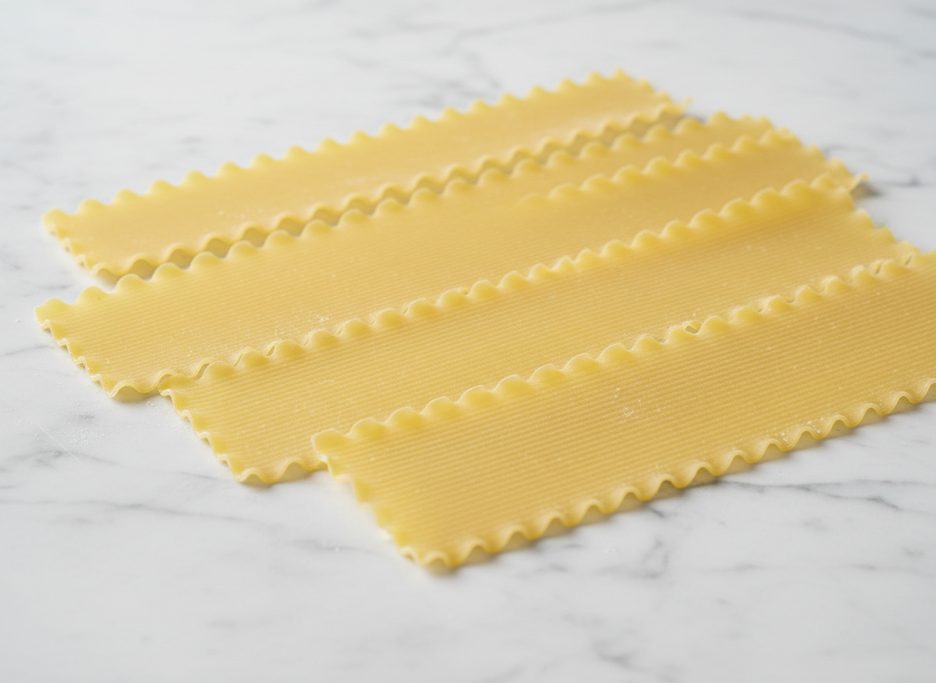
Lasagne
Lasagne are wide, flat sheets of pasta originating in Italy, traditionally used in layered baked dishes with various sauces and cheeses. These sheets can have either smooth or ruffled edges, designed specifically to provide a large surface area for holding rich ingredients like meat ragù and béchamel. They are one of the oldest known types of pasta, dating back to the Middle Ages, and remain a cornerstone of Italian comfort food.
Best Paired With
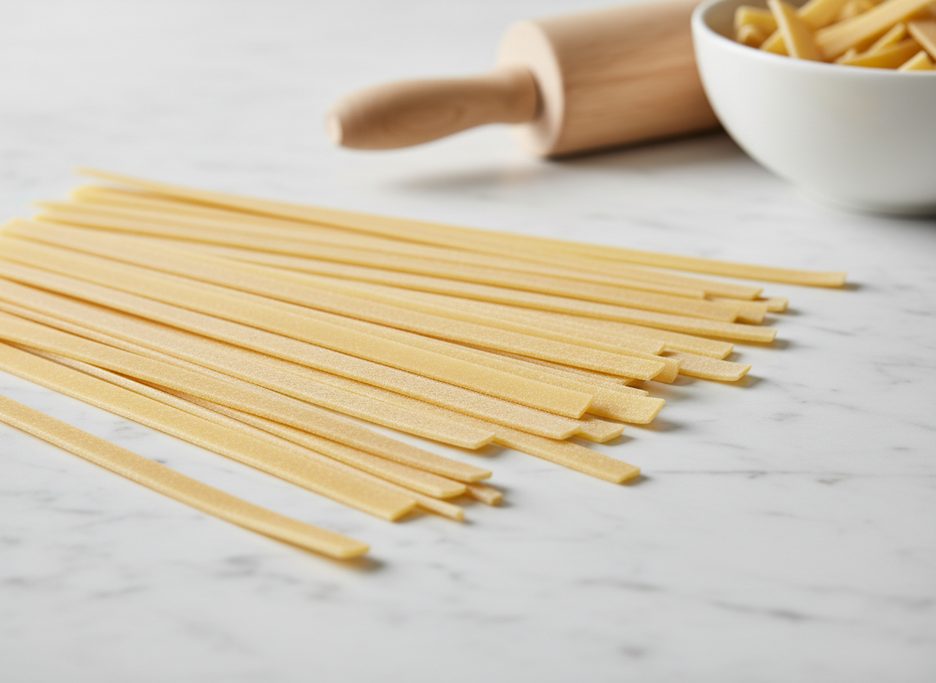
Linguini
Originating from the Liguria region of Italy, linguini is a long, flat strand of pasta that is narrower than fettuccine and wider than spaghetti. Its unique elliptical cross-section allows it to hold onto sauces better than round pasta, making it a classic choice for seafood dishes and pesto.
Best Paired With
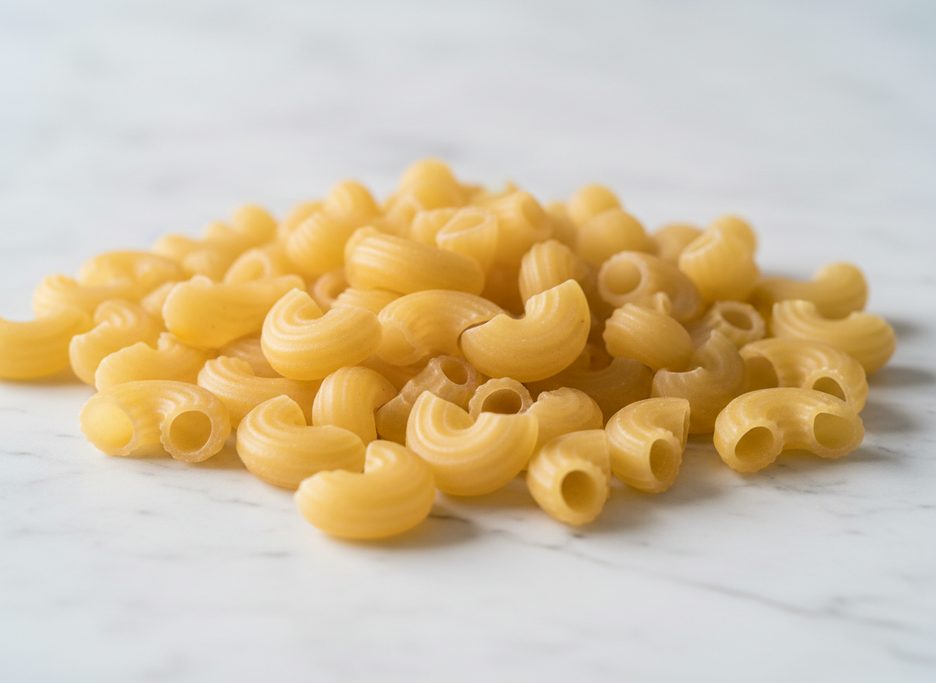
Macaroni
Originating from Italy, macaroni refers to small, tubular pasta shapes that are typically curved and hollow. Their smooth surface and hollow center make them ideal for holding creamy cheese sauces, most famously featured in the classic macaroni and cheese. This versatile short pasta is a staple in many cuisines and is prized for its ability to capture flavors within its cylindrical body.
Best Paired With
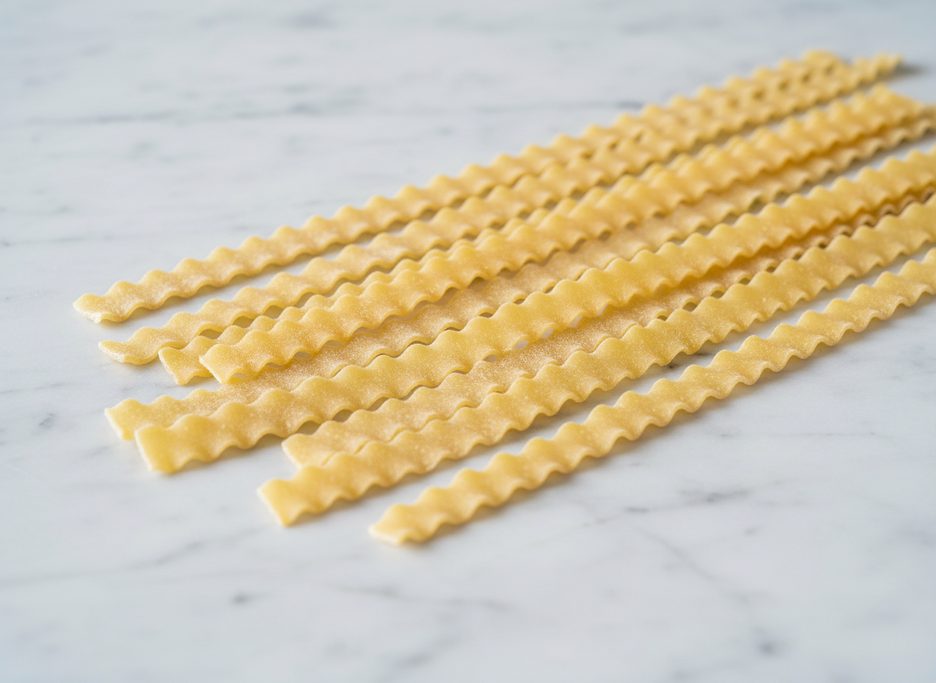
Mafaldine
Named in honor of Princess Mafalda of Savoy, these long, flat ribbons feature distinctive ruffled edges that capture sauces beautifully. The contrast between the smooth center and curly borders creates a unique mouthfeel, making them ideal for rich meat ragùs or creamy seafood dishes.
Best Paired With
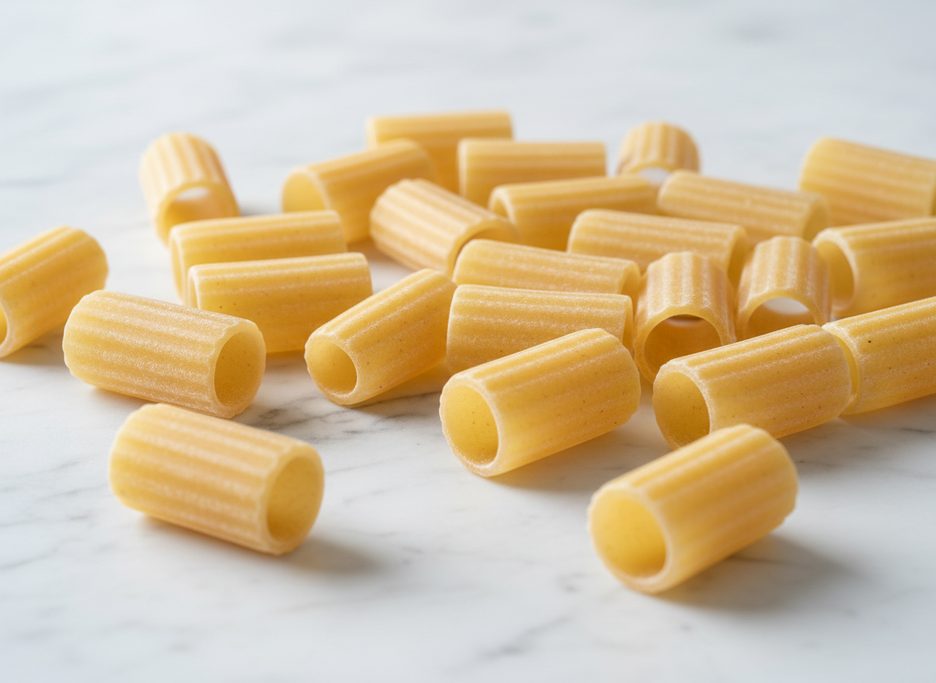
Mezzi Rigatoni
Mezzi rigatoni is a shorter version of the classic rigatoni, retaining the same large diameter and exterior ridges but measuring about half the length. Originating from Rome, its hollow center and grooved surface are specifically designed to capture chunky meat sauces and heavy cream-based toppings. Its sturdy structure makes it an ideal choice for baked pasta dishes where it holds its shape while soaking up flavors.
Best Paired With
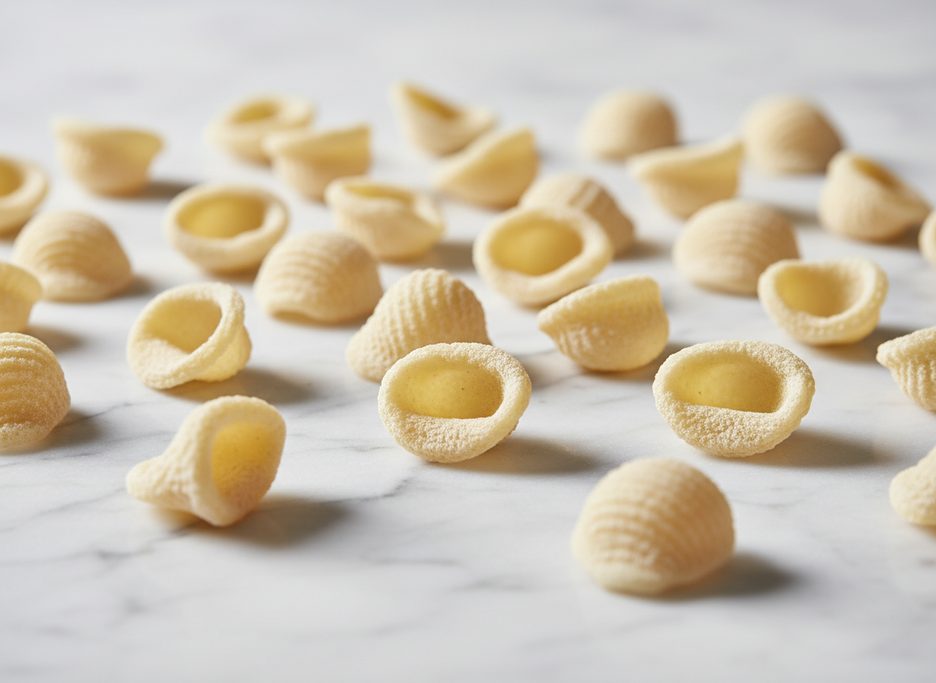
Orecchiette
Originating from the Apulia region of Southern Italy, orecchiette are distinctive for their 'little ear' shape, featuring a concave center and a rough exterior surface. Traditionally handmade by pressing dough with a thumb, their unique structure provides a delightful chewiness that is famously paired with broccoli rabe, sausage, or thick tomato-based sauces.
Best Paired With
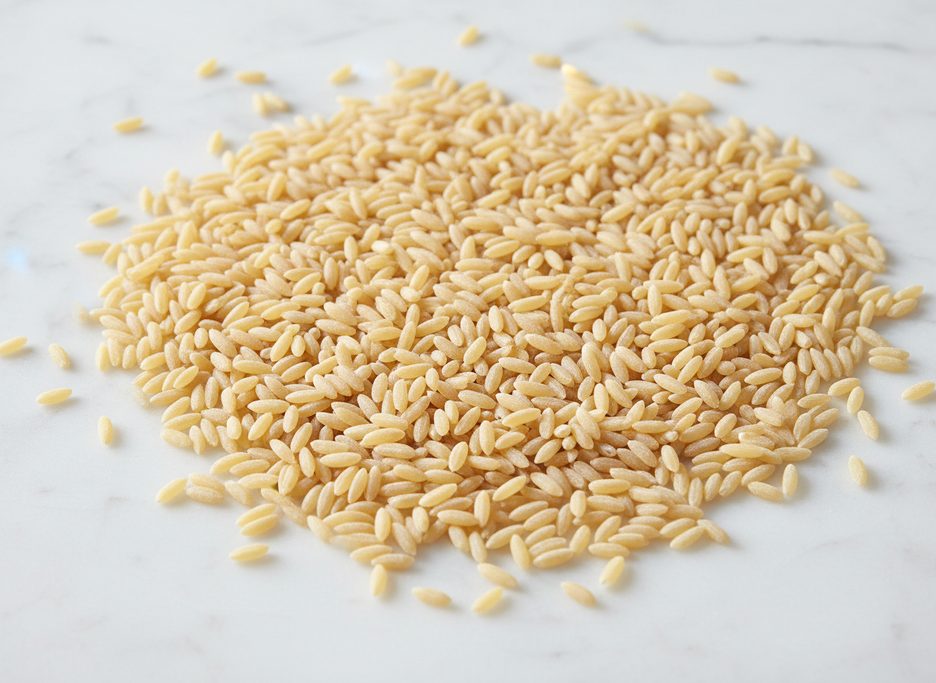
Orzo
Orzo is a small, rice-shaped pasta traditionally made from semolina flour and used widely across Mediterranean cuisines. Its smooth texture and tiny size allow it to absorb flavors beautifully in soups, salads, and pilaf-style dishes. Originally developed to mimic the shape of grains, it offers a chewy bite that makes it a versatile staple in Italian cooking.
Best Paired With
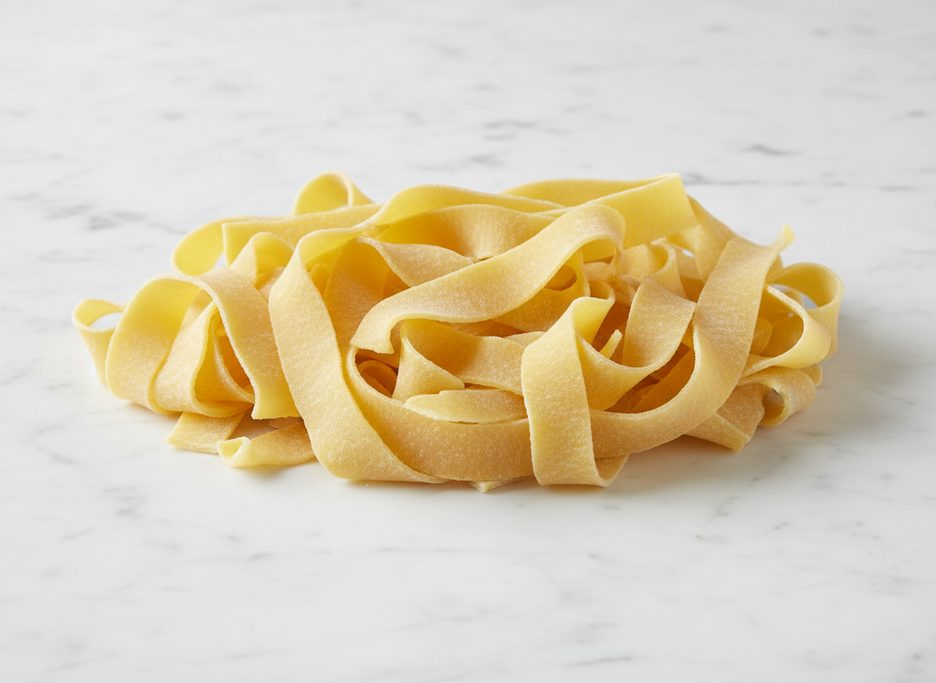
Pappardelle
Originating from Tuscany, Pappardelle are large, very broad, flat pasta noodles that resemble wide ribbons. Their name is derived from the Italian verb 'pappare,' meaning to gobble up, which perfectly suits how their expansive surface area carries heavy, rustic sauces like wild boar ragù. These noodles are typically made with an egg-based dough, providing a rich flavor and a sturdy texture that holds up to the heartiest of meat-based accompaniments.
Best Paired With
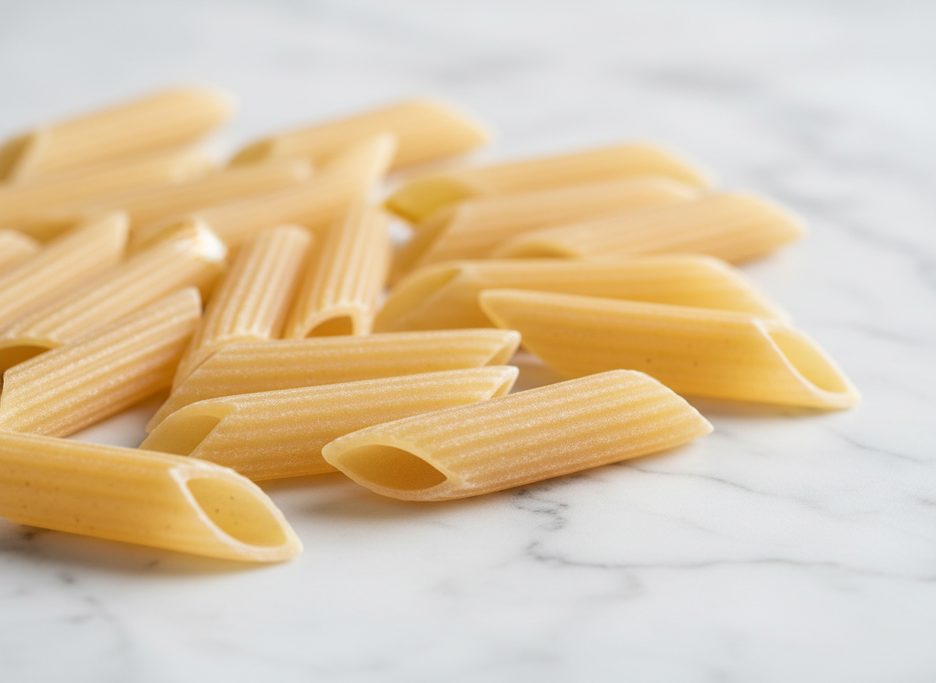
Penne
Originating in the Campania region of Italy, penne is a cylinder-shaped pasta with ends cut at an angle to resemble the nib of a fountain pen. It is commonly found in both smooth and ridged varieties, with the latter being particularly effective at capturing thick sauces and vegetables within its hollow center.
Best Paired With
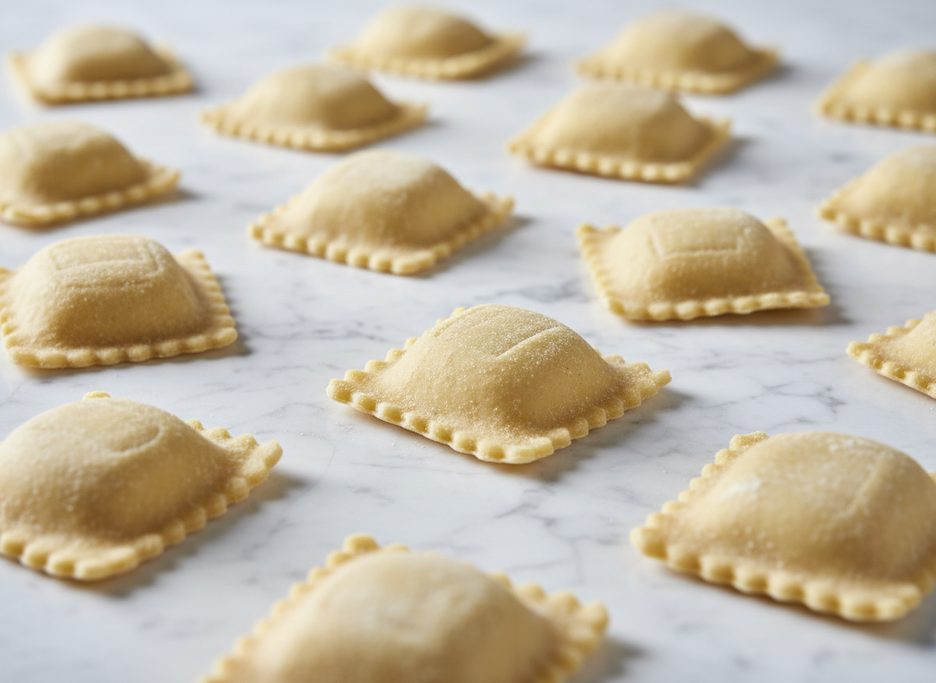
Ravioli
Originating in 14th-century Italy, ravioli consist of a savory filling sealed between two thin layers of egg pasta dough, typically cut into square or circular shapes with decorative ruffled edges. These versatile parcels are traditionally stuffed with ricotta, spinach, or meat and served with simple butter sauces or hearty tomato glazes.
Best Paired With
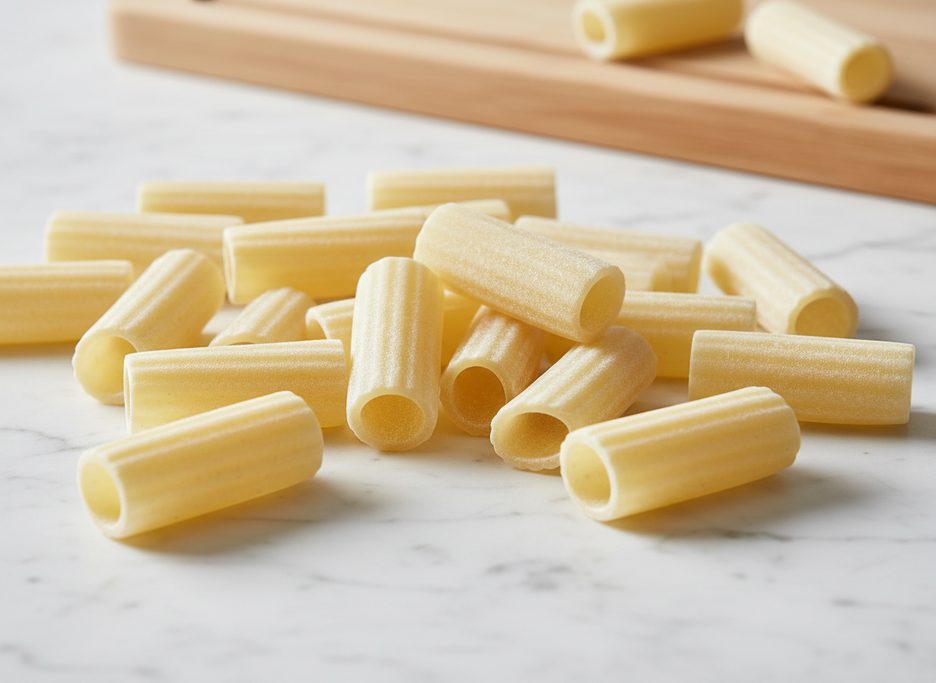
Rigatoni
Rigatoni is a large, tube-shaped pasta originating from central and southern Italy, characterized by its straight-cut ends and deep longitudinal ridges. Its sturdy structure and hollow center make it ideal for capturing thick, chunky sauces and melted cheese in baked dishes like rigatoni al forno. The name derives from the Italian word 'rigato,' meaning 'ridged,' which highlights the texture specifically designed to hold sauce effectively.
Best Paired With
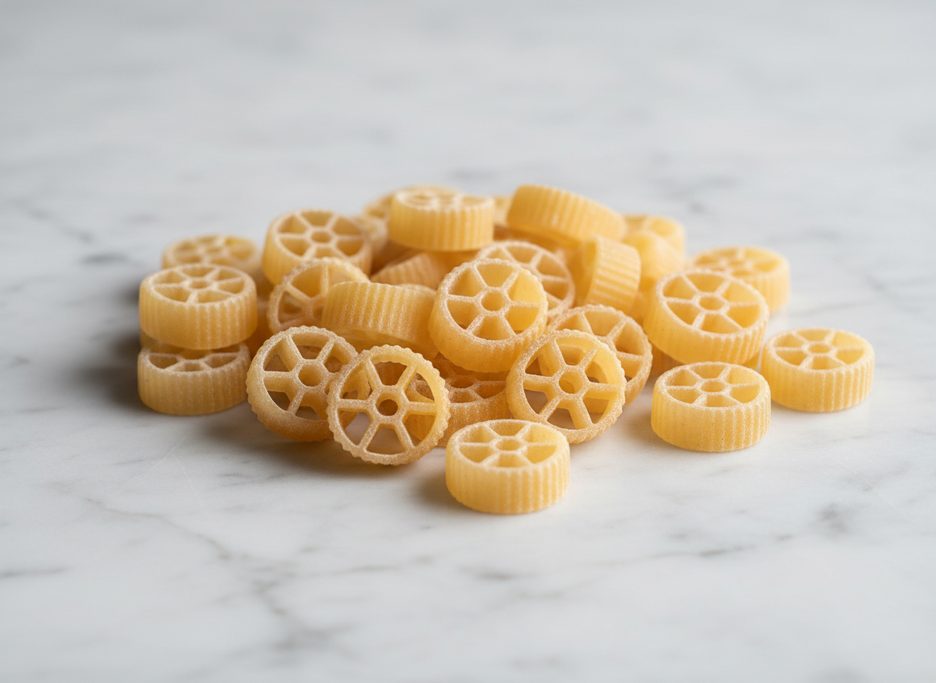
Rotelle
Rotelle is a wheel-shaped pasta originating from Northern Italy, distinguished by its circular rim and internal spokes that resemble a miniature wagon wheel. The unique geometry of this shape is ideal for trapping chunky sauces, small vegetables, and meat within its many crevices. It is a versatile short pasta frequently used in cold pasta salads and thick soups where its structural integrity provides a satisfying bite.
Best Paired With
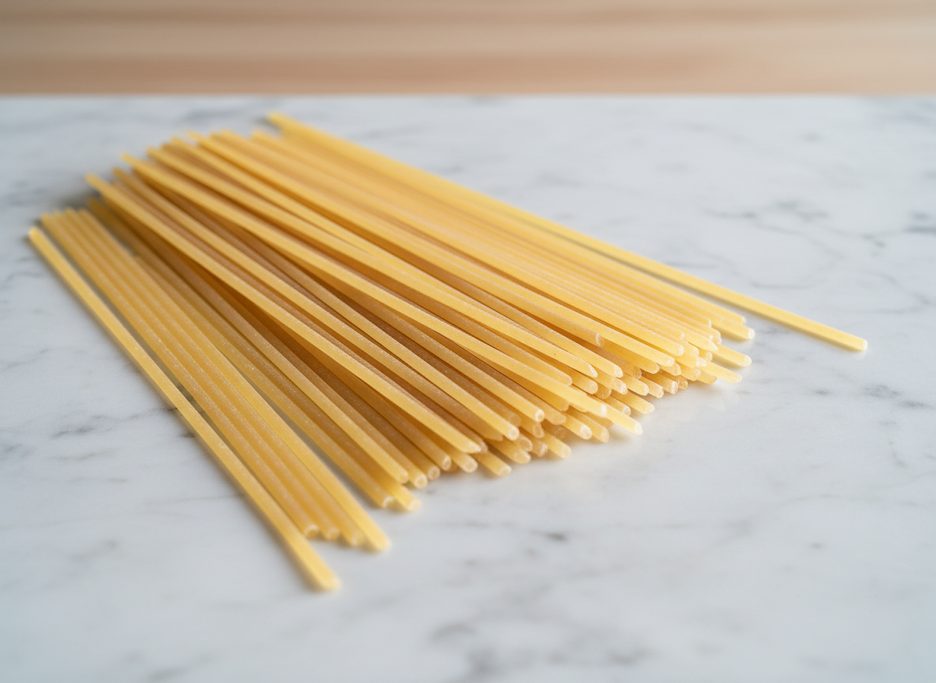
Spaghetti
Originating from Italy, spaghetti is a long, thin, solid cylindrical pasta that has become a global culinary staple. Its name translates to 'little strings,' and its smooth surface and versatile texture make it ideal for classic sauces like carbonara, marinara, or aglio e olio.
Best Paired With
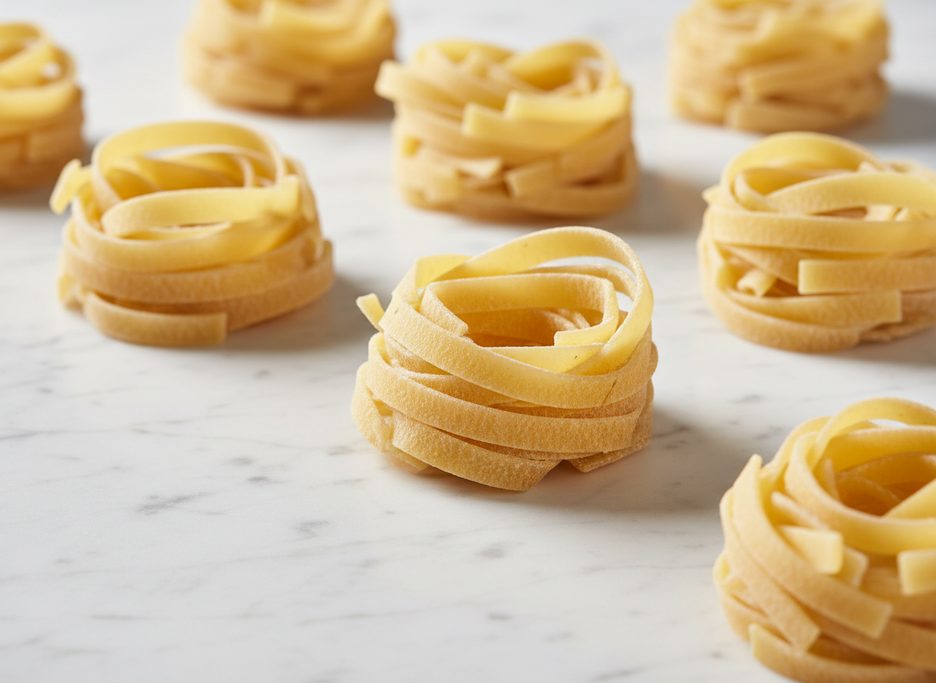
Tagliatelle
Originating from the Emilia-Romagna and Marche regions, tagliatelle are long, flat ribbons typically made with egg pasta. Their porous texture is perfect for hearty meat sauces like ragù alla bolognese, and they are traditionally presented in rolled-up nests similar to tagliolini.
Best Paired With
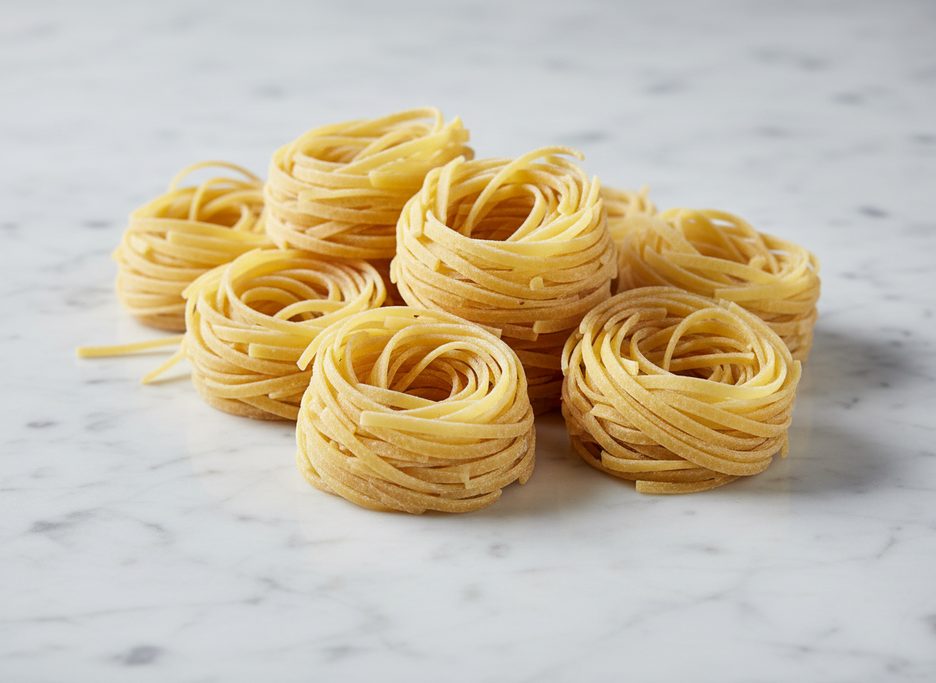
Tagliolini
Originating from Northern Italy, Tagliolini is a long, thin ribbon pasta that is narrower than tagliatelle, typically measuring about 2-3 millimeters in width. Its delicate and fine texture makes it the perfect companion for light, refined sauces such as butter with white truffles or delicate seafood broths. Often made with a high ratio of egg yolks, it is prized for its rich flavor and silky mouthfeel that elevates simple preparations.
Best Paired With
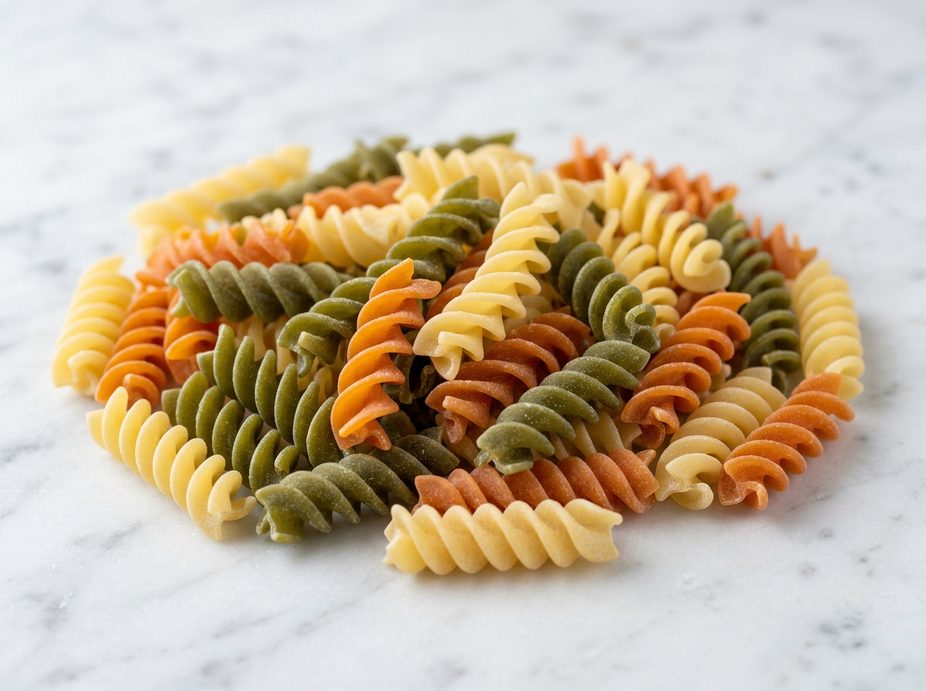
Tricolore
Tricolore is a vibrant variety of pasta, typically found in short shapes like fusilli, that incorporates spinach and tomato to represent the colors of the Italian flag. Originating as a decorative twist on traditional semolina pasta, its varied hues offer subtle flavor differences and a festive appearance. It is exceptionally well-suited for cold pasta salads or light sauces where its distinctive colors can remain the focal point.
Best Paired With